As someone who lives in Canada, you know that winter storms are no joke, especially when ice and freezing rain roll through. You simply never know when a winter weather advisory is going to pop up, so your best course of action is to be always prepared for harsh winter weather.
Consider this blog as your ultimate checklist for everything you need to know about staying safe during an ice storm, from preparation and emergency kits to vehicle safety and the recovery after the storm. No matter what kind of winter storm you’re dealing with, whether it's ice storms, snowstorms, or hailstorms, we’ve got you covered with practical tips and tricks to minimize damage and maximize your family's safety!
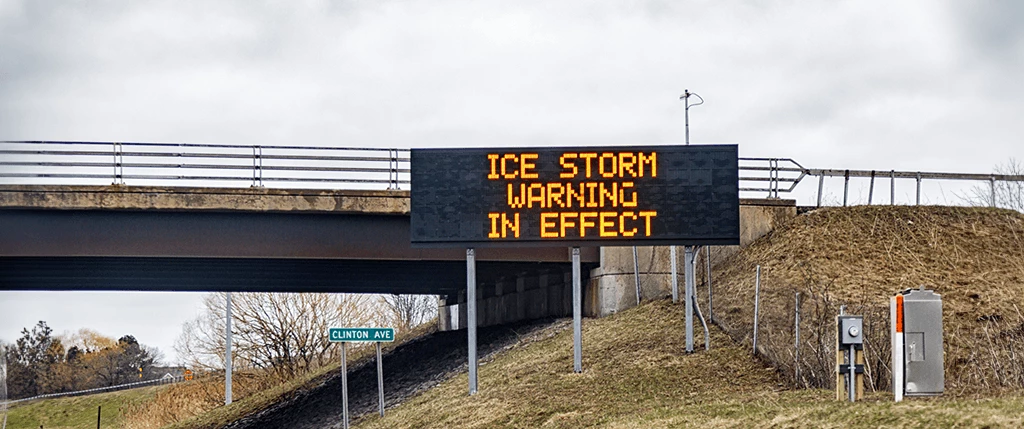
So, what makes an ice storm different from freezing rain? Simply put, it's defined by the accumulation of at least 6.4 mm of ice on exposed surfaces. And this icy accumulation can cause serious damage. When rain freezes on contact with the ground, roads, and trees, it creates hazardous conditions. In fact, the weight of the ice can snap tree branches, down power lines, and make roads underivable.
But you also know that ice storms aren’t the only severe winter weather to watch for. Snowstorms and blizzards can also bring heavy snowfall, strong winds, and extreme cold. Blizzards in particular are a dangerous combination of snowfall with high winds, which greatly reduces visibility and makes any kind of travel extremely dangerous.
The key to dealing with all forms of winter weather is preparation. Stay ahead of every winter storm warning so that you can avoid any dangerous situations.
Advanced preparation is key. Before a winter storm hits, be sure to stock up on essentials like food, water, and medications. Winterizing your home and car is also important. Check your windows and doors for drafts (a little extra caulking and weather stripping can go a long way!), ensure your roof is well-insulated, and prepare for power outages by having a generator standing by. Fill your car’s gas tank and keep ice scrapers and de-icing fluid on hand.
It's always a good idea to set your fridge and freezer to the coldest temperature to help preserve your food during a power outage. Put together an emergency kit for you and your family, keeping pets in mind too, as this can truly be a lifesaver. Start your kit with these essentials:
- Drinking water (one gallon per person per day is recommended)
- Non-perishable food
- First-aid supplies
- Medications and baby items
- Extra food for pets
- Blankets and warm clothes
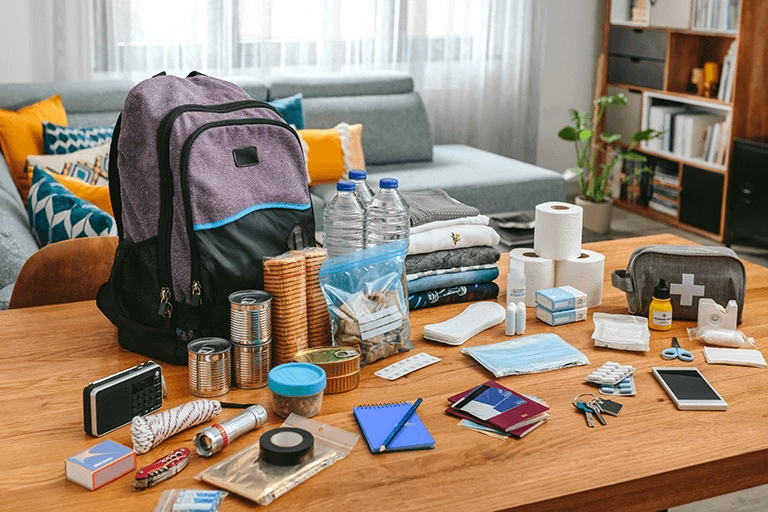
Emergency kits are essential for winter storms, whether you’re sheltering at home or need to evacuate quickly. A well-stocked kit should include enough supplies to last for 72 hours to two weeks.
If you do end up needing to leave your home, here's what to pack in your go-kit:
- Warm clothing
- Flashlights and extra batteries
- Non-perishable food and drinking water
- Medications
- Pet food and supplies
- Portable phone chargers
On the other hand, if you need to shelter at home for extended periods, here's what you'll need:
- Extra blankets and clothing layers to stay warm
- A battery-powered radio for weather updates
- Winter boots and gloves to take on the winter weather conditions outside
- Emergency tools (like a wrench, pliers, etc.)
When a winter storm strikes, the best place to be is indoors. Always avoid unnecessary travel, as freezing rain can make the roads become treacherous. Ice accumulation can cause power lines and tree branches to fall. Staying warm is key, so wear layers of clothing and ensure exposed skin is covered to prevent frostbite and hypothermia.
If the power goes out, use alternative heat sources like fireplaces or space heaters, but follow all safety precautions. Carbon monoxide kills, so keep at least one window slightly open to avoid carbon monoxide buildup, and never use a generator or BBQ indoors.

If you're going to try and stay cozy with a fireplace or space heater, make sure you're doing it safely, and always ensure proper ventilation. Test smoke alarms to make sure they're working too! When you're outside, avoid hazardous driving at all costs, and be on the lookout for slippery sidewalks or falling branches. If you must venture outside, make sure to have some trusty winter boots, gloves, and a hat on.
If you've been out in the cold air, watch out for signs of frostbite (numbness and skin discolouration) and hypothermia (shivering, confusion, and exhaustion). If you or anyone else is showing any symptoms, to try get somewhere warm right away and seek medical help!
Power outages are one of the most significant inconveniences during winter storms. If the power goes out, it's a good idea to turn off all appliances to avoid electrical surges when the power comes back on. Keep freezers and refrigerators closed to preserve your food as long as possible, and since you'll want to try and preserve your phone and laptop battery as much as possible, use battery-operated radios to stay informed of weather reports.
Avoid using candles as they can be a fire hazard. Flashlights and battery-powered lanterns are much safer choices. If you're staying powered up with a generator, make sure it’s placed outside and away from windows to prevent carbon monoxide poisoning.
As we mentioned before, travel during a winter storm should be avoided if possible. If you must drive, make sure your car is kitted out with winter tires, anti-freeze, and a full tank of gas. Keep an emergency kit in your vehicle with warm clothing, blankets, food, and water just in case!
With falling trees and slippery roads being common with freezing rain, your car is often at risk. Car insurance can help cover costs, so check your policy to ensure it includes coverage for damage caused by winter storms.

Winterizing your property during an ice storm can help protect it. Make sure your home is well-insulated, windows and doors are sealed properly (think weather stripping doors and covering windows!), and alternative heat sources are safe to use. In case of roof damage due to ice accumulation or burst pipes from freezing temperatures, your home insurance policy may cover the cost of repairs.
Common scenarios include water damage from burst pipes or roof leaks due to ice. It’s worth reviewing your home insurance policy before winter sets in to ensure you're well covered.
Ice storms often force people to turn to other heat sources, which can increase the risk of carbon monoxide poisoning. Make sure your home has functioning carbon monoxide detectors and never use gas-powered equipment indoors.
As we touched on, fire safety is also a big concern when using fireplaces and candles, so never leave them unattended and make sure there's nothing flammable near them.
Once the winter storm has passed, the next step is safely assessing any damage. Check for any obvious structural issues around your home, downed power lines, and icy areas that need clearing. PSA: remove ice and snow carefully to avoid any injuries!
Contact your insurance company as soon as possible to report any damage. They will help you assess the situation and arrange for necessary repairs.
Staying informed is one of the best ways to prepare for and respond to winter weather. Monitor weather reports, and sign up for local alerts through apps or text notifications.
Understanding weather terminology is also important. For instance, a "blizzard warning" means dangerously cold temperatures, heavy snow, and high winds are expected. "Wind chill" refers to how cold it feels due to the combination of low temperatures and wind. Staying informed can simply help you make smarter decisions during winter storms.
Harsh weather conditions like ice storms and heavy snow can be dangerous, but with the right preparations, you can minimize the risks to yourself, your family, and your home sweet home! By following these tips on preparation, emergency supplies, and recovery, you’ll be better equipped to handle winter’s worst weather.
Need expert advice on winter storm insurance? Contact us today for personalized assistance.