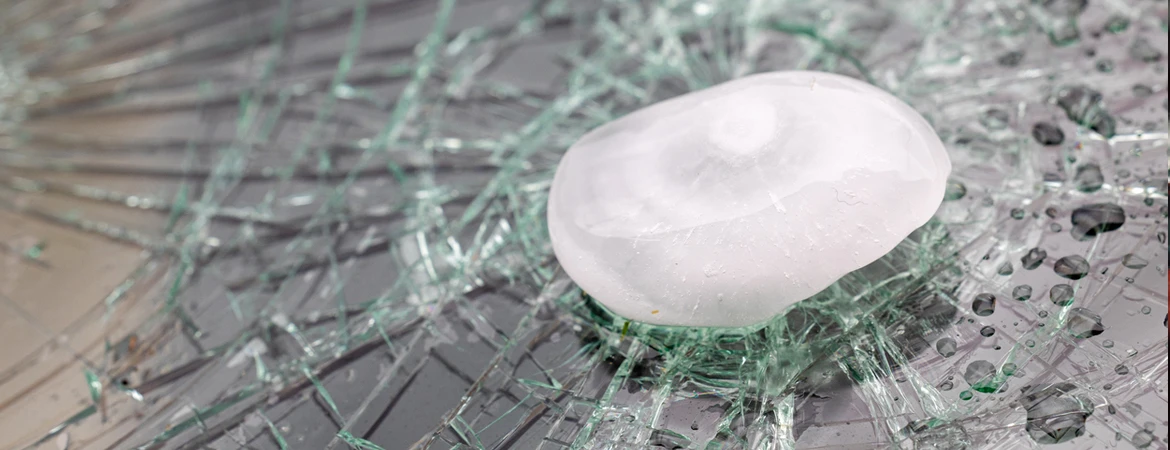
Hailstorms can strike fast, leaving behind pockmarked car hoods, shattered glass, and dimpled roofs. If you’re asking, “Does car insurance cover hail damage?”, the short answer: yes, when you carry comprehensive coverage. Comprehensive car insurance pays for damages or loss caused by incidents other than collision, subject to your deductible and policy limits.
In this guide, we’ll break down how comprehensive coverage applies to hail, what’s typically included or excluded, how to file a claim, repair options like paintless dent repair (PDR), and ways to reduce costs before the next storm.
- Comprehensive covers hail; you pay the deductible.
- Repair path (PDR vs. replacement) affects cost and timing.
- Quick photos and glass care speed approvals.
- Covered parking and alerts reduce risk and rate pressure.
Table of content
-
What is hail damage coverage in car insurance?
-
How comprehensive coverage applies to hail
-
Common exclusions and limitations to watch for
-
Repair options: PDR vs. replacement
-
How to file a hail damage insurance claim
-
How hail damage can affect your premiums
-
Smart ways to reduce hail risk and costs
-
Frequently asked questions about auto hail damage
Hail damage to your vehicle is covered under the portion of a policy. If your policy includes comprehensive, you’re covered for hail impacts.
Most comprehensive policies include protection for the areas of your car that hail commonly damages, including:
- Body panel; like hood, roof, trunk, doors, fenders
- Glass; like windshield, back glass, side windows, sunroofs/moonroofs
- Trim and moldings affected by dents or shattered glass
- Water intrusion directly resulting from hail-created openings
Consult your policy or contact your insurer for more details.
Some losses fall outside standard coverage unless specifically endorsed on your policy.
Here are some examples:
- Routine wear and tear or rust unrelated to the storm
- Pre-existing dents or scratches, or prior hail damage.
- Aftermarket accessories not declared on the policy (unless scheduled/endorsed)
Consult your policy or contact your insurer for more information.
Comprehensive covers non-collision events like hail, theft, vandalism, falling objects, and some types of animal damage.
Good to know:
- Deductible: You pay your chosen comprehensive deductible; the insurer pays the rest up to the vehicle’s actual cash value (ACV).
- Total loss threshold: If repair costs approach or exceed a percentage of the vehicle’s ACV, the insurer may declare a total loss and pay ACV minus deductible.
Policy wording matters—these nuances can affect whether your hail claim is approved and how much you’re paid. Common limitations include:
- Minor dents: Most comprehensive policies cover dents from hail, but if damage is purely cosmetic and extremely minor, the repair cost may be less than (or close to) your comprehensive deductible—so you may pay out of pocket. For eligible dents where the paint isn’t damaged, paintless dent repair (PDR) can be a cost-effective repair option.
- Pre-existing damage: Pre-Existing damage to your automobile needs to be declared and may need to be repaired before you are eligible for comprehensive coverage
- Aftermarket wraps and custom paint: May need to be declared to ensure full coverage.
- Claims timing: Filing deadlines may apply after catastrophic events.
The right repair path depends on dent severity, paint condition, and cost—here’s what to expect from each approach:
- Paintless Dent Repair (PDR): Ideal for small to moderate dents where paint is intact. Faster turnaround and typically lower cost.
- Panel repair/replacement: Required when dents are deep, creased, or paint is cracked.
- Glass replacement/repair: Windshield chips may be repairable; cracks usually require replacement.
Tips:
- Use insurer-recommended or qualified repair shops to streamline approvals.
- Ask for an itemized estimate and confirm if supplemental bills are covered if hidden damage is found.
- OEM/aftermarket vs. aftermarket parts policies vary—check preferences and price impacts.
A clear process and solid documentation can speed up your claim and get you back on the road sooner. Here’s a quick list to follow:
- Document the event
- Note the date/time and location; save weather alerts if available.
- Take photos and short videos from multiple angles in good light, including roof, hood, trunk, doors, and glass.
- Prevent further damage
- Cover broken windows to stop water intrusion; avoid driving if glass visibility is unsafe.
- Contact your insurer promptly
- Confirm your comprehensive deductible and ask about approved repair networks and glass partners.
- Get a damage assessment
- Schedule an adjuster inspection or virtual estimate; some carriers use photo estimating apps.
- Choose a repair path
- PDR (paintless dent repair) for minor dents; panel work for severe damage; glass repair/replacement as needed.
- Review the settlement
- Understand any betterment rules, part types (OEM/aftermarket), and total-loss thresholds.
- Complete repairs and keep records
- Save invoices and photos of completed work. Verify warranty details from the shop.
Comprehensive claims do not impact your rates on renewals—but it can impact your coverage or deductible options. Here’s the breakdown:
- Deductibles: One hail claim may require you to carry a higher deductible in the future; patterns of frequent comprehensive losses may make you ineligible for comprehensive coverage.
- Pre-Existing damages: Vehicles with pre-existing damage are not usually eligible for Comprehensive or Collision coverage. You will often need to get your vehicle repaired before you can purchase these coverages.
- Cash Settlements: If a cash settlement is offered during a claim, you will need to provide proof of repairs to your insurance company to maintain your collision and comprehensive coverage on your next renewal.
From practical parking habits to informed policy choices, the following strategies can help you protect your car against hail and minimize damage, streamline claims, and keep long-term costs in check.
Prepare before storms strike to avoid damage to your vehicle and downtime. Here’s how you can protect it:
- Covered parking: Use garages, carports, or public covered structures when hail is forecast.
- Portable protection: Keep a hail blanket or inflatable hood protector in high-risk seasons.
- Weather alerts: Enable severe weather notifications and set geofenced alerts in weather apps.
- Parking strategy: Avoid parking under fragile trees; choose the leeward side of structures if cover is limited.
- Glass care: Repair chips promptly to prevent cracks during hail impact.
Fine-tune your auto policy now to reduce surprises and out-of-pocket costs later. Here’s how to do it:
- Add comprehensive coverage: Ensure comprehensive is selected on each vehicle you want protected from hail.
- Choose the right deductible: Balance premium savings against your risk tolerance in hail season.
- Rental/transportation coverage: Consider it if you rely on your car daily; hail repairs can take longer during storm surges.
- Vehicle value check: For older cars nearing ACV (Actual Cash Value) thresholds, weigh premium costs versus potential total-loss payout.
Quick answers to the most common questions drivers ask after a hailstorm.
Liability covers damage you cause to others. You need comprehensive coverage for hail damage to your own vehicle.
Hail damage is handled under comprehensive coverage and doesn’t directly impact rating. If you live in a hail‑prone area, that risk is usually already factored into the price of comprehensive insurance—whether you make a claim or not.
Paintless dent repair (PDR) is popular, but it’s not the only option. Your insurer may recommend PDR when appropriate, but severe damage may require traditional body work. The goal is to restore to pre-loss condition.
The insurer may declare a total loss and pay the vehicle’s actual cash value minus your deductible. You may have the option to retain the salvage, depending on regulations.
Part types can vary by policy. Many insurers permit high-quality aftermarket parts on older vehicles. Ask your insurer about OEM part endorsements for more info.