
Theft vs. Vandalism: What Does Your Car Insurance Cover?
Sep 29, 2026
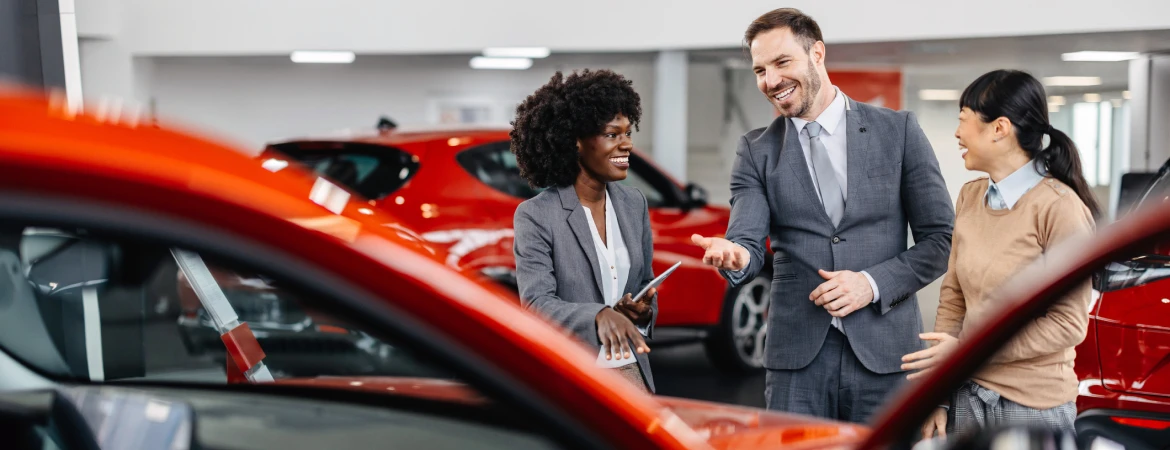
Buying a car is the fun part. Deciding which insurance coverage you actually need? That's where a lot of questions come up. The coverage that makes sense for a brand-new SUV, fresh off the lot, may not be the best fit for a 10-year-old sedan you've paid for in full.
Whether you're buying new or used, financing, leasing, or paying outright, your insurance needs can look a little different. Let’s walk through how to decide what coverage makes sense for your situation.
Whether you're buying a brand-new car or a used one, the mandatory car insurance required in your province stays the same. In both Ontario and Quebec, you'll need the legally required coverages before you can drive. Where things start to differ is with optional coverage.
A new vehicle is usually worth more, may still be financed or leased, and can be more expensive to repair or replace. An older vehicle that's been paid off may not need the same level of protection.
If you're buying a new car, there's a good chance you'll want more than the minimum required coverage. That's because replacing or repairing a new vehicle can be expensive, especially in the first few years of ownership.
Whether you're financing, leasing, or buying your new car outright, you’ll likely want coverages like and insurance. If you're financing or leasing, your lender may also require these coverages until your loan or lease ends.
If you've purchased a brand-new vehicle, New Car Protection (Ontario) or (Quebec) can help protect it against depreciation, subject to your policy terms and eligibility.

As we touched on, if you're financing or leasing a new vehicle, your lender or leasing company may require you to carry optional coverages like collision and comprehensive insurance until your loan or lease is paid off. These coverages help protect the vehicle itself if it's damaged, stolen, or declared a total loss after a covered claim.
You may have heard the term gap insurance, especially if you've been researching vehicle financing online. Depending on your province, the name can differ. Ontario drivers may have access to New Car Protection, while Quebec drivers may be eligible for .
For example, if your new car ends up being a total loss shortly after you bought it, its market value may be lower than what you originally paid. New Car Protection or Replacement Cost Protection can help reduce the financial impact of that depreciation.
Paying cash for a new car gives you more flexibility because you're not meeting a lender's insurance requirements. That said, flexibility doesn't always mean less coverage. It’s a good idea to ask yourself:
If not, then optional coverages like collision, comprehensive, or New Car Protection are still worth considering. After all, owning your vehicle outright doesn't make it any less valuable!
Buying a used car often means you have a little more flexibility when it comes to insurance, but that doesn't automatically mean less coverage. The right policy depends on factors like the car's value, whether you're still making loan payments, and how much risk you're comfortable taking on yourself.
Before you can legally drive your used car or register it, you'll need the required in your province. If you're purchasing from a dealership, they may ask for proof of insurance before you take possession of the car. If you're buying privately, it's a good idea to arrange your insurance before picking up the keys so your coverage is ready when you need it.
There's no magic number that tells you when to keep or remove optional coverage. Instead, think about the bigger picture. Here are a few things to consider:
| Vehicle age | Older vehicles may not need the same level of optional coverage as newer ones. |
| Make and model | Repair costs and theft rates can vary significantly between vehicles. |
| Current market value | As your vehicle depreciates, the value of optional coverage may change too. |
| Remaining loan balance | If you're still financing your used vehicle, your lender may require collision and comprehensive coverage. |
| Your deductible | A higher deductible can lower your premium but means paying more out of pocket if you make a claim. |
Some drivers keep both coverages because replacing or repairing their vehicle would be expensive. Others decide collision coverage no longer makes sense as the car gets older, while continuing to carry comprehensive coverage for protection against theft, vandalism, hail, fire or falling objects. There's no one-size-fits-all answer, which is why it's worth reviewing your coverage as your vehicle ages.
As your car gets older, there may come a point where paying for certain optional coverages no longer offers the same value. Many drivers keep comprehensive coverage because it protects against things like theft, vandalism, fire, hail, and falling objects. These risks don't disappear just because a vehicle gets older.
If you're still wondering what coverage makes the most sense, this comparison can help:
| Coverage | New vehicle | Used vehicle |
|---|---|---|
| Third-Party Liability | Mandatory | Mandatory |
| Accident Benefits (or equivalent provincial coverage) | Mandatory | Mandatory |
| Collision Coverage | Recommended, especially if financed or leased. May be required by your lender if applicable | Depends on the vehicle's value and your financial situation. May be required by your lender if applicable |
| Comprehensive Coverage | Recommended | Worth considering, particularly if theft, weather damage or glass claims are concerns |
| New Car Protection (ON) / Replacement Cost Protection (QC) | Recommended for eligible new vehicles | Not typically available |
| Roadside Assistance | Optional | Optional |
| Accident Forgiveness | Optional | Optional |
At the end of the day, there's no right amount of coverage for every driver. The goal is to choose protection that makes sense for your vehicle, your budget, and your comfort level with risk.
If you're unsure where to start, reviewing your options before you buy can help you build coverage that fits your needs today, and still makes sense down the road.
In many cases, used cars cost less to insure because they're generally worth less. However, your premium also depends on factors like your driving history, location, and the coverages you choose.
Not always. It depends on your vehicle's value, whether you're still financing it, and how much financial risk you're comfortable taking on.
Yes. Many lenders and leasing companies require collision and comprehensive coverage until the vehicle is paid off or the lease ends.
A good place to start is by considering your vehicle's value, how you're paying for it, and whether you could comfortably repair or replace it if something happened. Comparing your options can help you choose coverage that fits your needs.