High-risk car insurance is for drivers who, due to past issues like traffic violations, are seen as more likely to file claims. If you've ever been surprised by a high insurance quote, you might be in this "high-risk" group, which can be both frustrating and hard on your wallet.
But don't worry! If you want to get back on track and find more affordable rates, it’s important to understand what puts you in this category and how you can improve your profile.
Let's dive into what high-risk insurance involves and discover steps you can take to make things better.
Being classified as high-risk can happen for several reasons and it often means facing higher insurance costs. Here’s a friendly breakdown of why you might end up in this category:
- New drivers: If you're new to driving and don't have an established driving history, insurers might see you as riskier since there's no track record of safe driving.
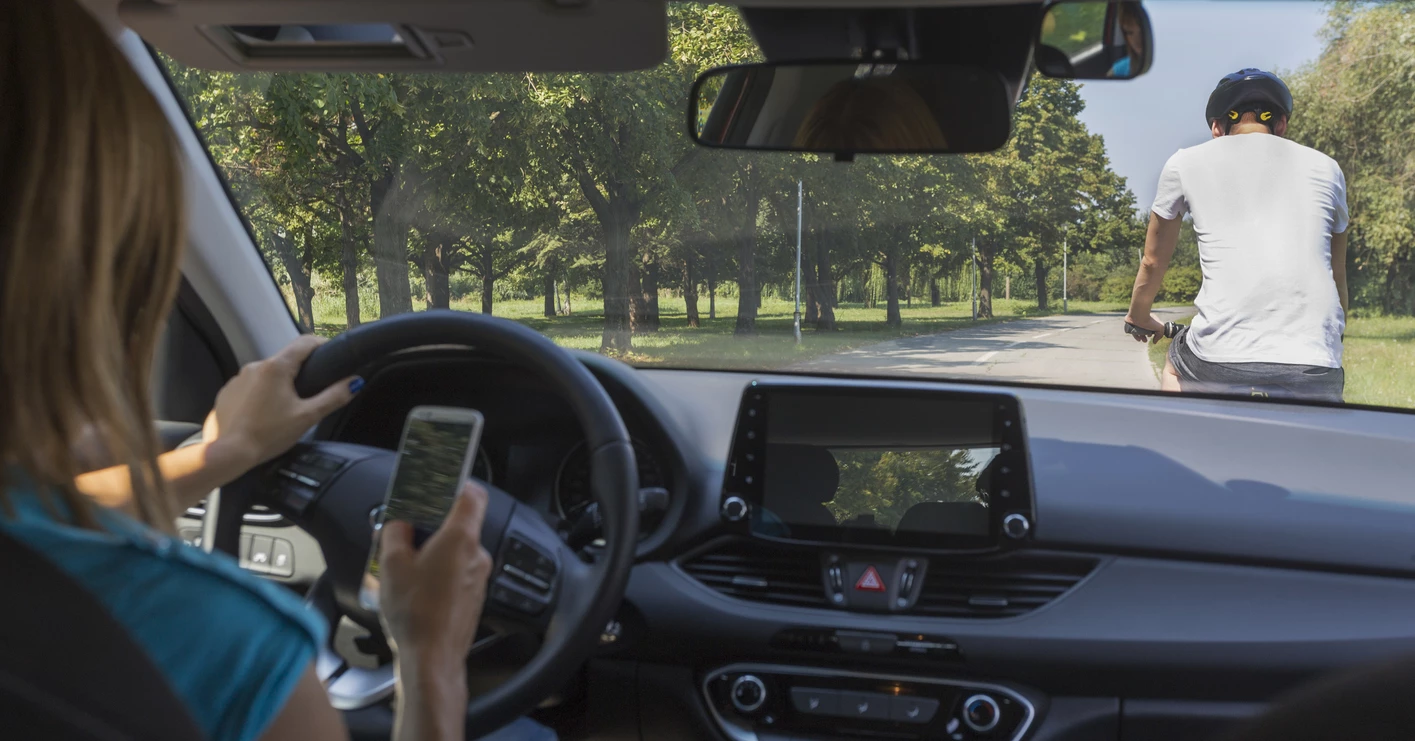
- Drivers with traffic violations: Getting tickets often, especially for speeding or major offences like distracted driving or DUI, signals risky behaviour. These could definitely land you in the high-risk category.
- Drivers with a history of claims: If you've been in multiple accidents where you were at fault or have made lots of claims, insurers consider you a higher risk.
- Those with cancelled policies: If an insurer has cancelled your policy before, particularly for not paying, it makes new insurers wary about taking you on.
- Gaps in coverage: Having breaks in your insurance history might flag you as high-risk too, suggesting you might not have a consistent driving record.
Insurance companies look at the data to figure out how likely it is for a driver to file a claim. If you're considered high-risk, the statistics say you're more likely to make a claim, which means higher costs for them and higher premiums for you. Here's a friendly look at how this plays out in Canada:
- Ontario costs: According to Ratehub.ca, if you get a serious offence like a DUI, your premiums can jump by more than 150%! High-risk policies in Ontario can vary a lot in price each year because insurers account for the higher risk.
- Rising costs for insurers: Across Canada, insurance rates are going up for everyone due to factors like more auto thefts, pricey repairs for high-tech cars, and general inflation. Insurers raise premiums to cover these expenses, and unfortunately, high-risk drivers end up paying more than others.
Improving your driving profile takes time, but each step you take makes a difference! Consistency is key, and you can generally expect it to take about three to five years to see a big change in your rates. Here's a timeline of what to expect:
- Immediately: Enroll in a defensive driving course from a recognized school. This shows insurers you're serious about safety and might even get you a discount right away.
- Over the first three years: Steer clear of any new violations, tickets, or at-fault accidents. Insurers have checked your driving record for the past three years, so staying clean during this time is crucial. Most traffic tickets begin to "fall off" your record after three years, helping to improve your standing.
- After three to six years: Your careful driving will start to pay off! While traffic tickets may fall off sooner, at-fault accidents can impact your record for a longer period. Each year you remain free of at-fault accidents, your profile will improve. After about six years without incidents, you should significantly reduce the perception of being high-risk and qualify for better rates.
You can't erase your past, but you can take proactive steps to control your future costs:
- Raise your deductible: If you can afford to pay more out-of-pocket in case of a claim, increasing your deductible will lower your monthly premium.
- Consider a telematics program: belairdirect offers telematics programs like automerit, also known as usage-based insurance, which tracks your driving habits through an in-car device or app. Safe driving can earn you a discount of up to 30%. Additionally, these programs can reward improved driving behaviour more quickly, as your customized rating is re-evaluated every year, potentially leading to faster rate reductions.
- Maintain timely payments: If past non-payment was an issue, consistently making on-time payments on your new policy will rebuild your insurance history and show financial responsibility.
- Bundle and save: See if you can get a discount for bundling multiple insurance policies, such as your car and home insurance, with the same provider.
These strategies can help make your high-risk insurance more manageable and gradually lower your costs over time.
Yes, it's important to keep your high-risk car insurance. Keeping your insurance active shows that you're working on becoming a safer driver. If you let your coverage lapse, it can make you seem like a riskier driver to insurance companies. By keeping your insurance, you protect yourself and help improve your chances of getting better rates in the future.



