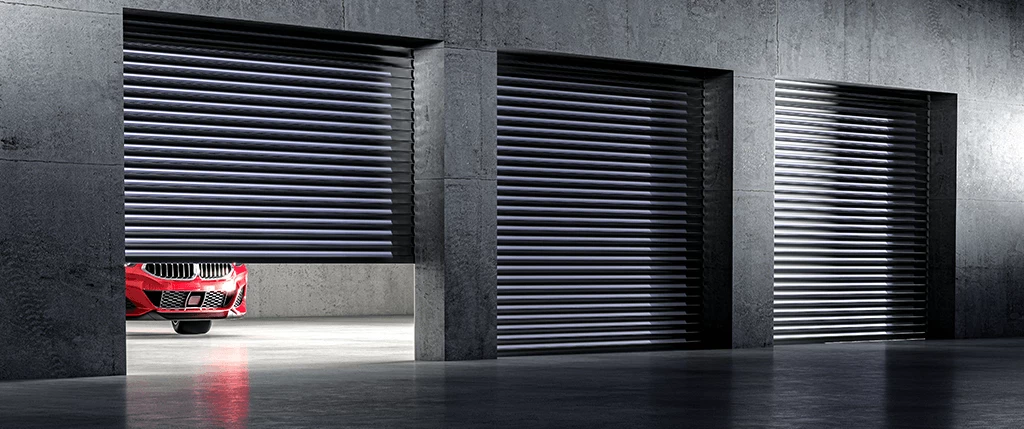
Imagine one day you're cruising in your car with the top down on a sunny day. The next day, you're putting it away in the garage because winter is coming. Welcome to Canada!
Now that your summer toy is stored and won't be coming out anytime soon, should you cancel your car insurance?
The smart move is getting car storage insurance.
It will protect your vehicle from potential risks, save you money in the long run, and keep your essential insurance coverage active.
If you have a car you won't drive for a while, keep reading to learn more.
Car storage, or vehicle storage insurance, provides coverage for cars that are not being driven but are still at risk of damage. Typically, this type of insurance policy includes comprehensive coverage, which protects against risks like theft, vandalism, natural disasters, and falling objects.
For instance, comprehensive coverage safeguards your car from potential hazards while it's parked, offering financial protection even if you're not actively using the car.
In many provinces, maintaining some form of liability insurance for registered vehicles is required, even if they’re not on the road.
For example, in Ontario and British Columbia, you must have liability coverage to meet provincial regulations. This ensures that your vehicle is legally protected and compliant with local laws.
The short answer is it depends. Whether you need to insure your car when it's not being driven depends on several factors:
- Registration: Is your vehicle registered with your province?
- Parking Location: Is it parked on a public road or in a private garage?
- Vehicle Value: How much is your car worth?
- Storage Duration: How long will the car be in storage?
- Storage Environment: How secure is the storage location?
- Existing Coverage: Does your current policy include comprehensive coverage for parked vehicles?
- Financial Situation: Can you afford out-of-pocket expenses for potential damages?
Imagine your car is parked on a public road, and it’s registered with your province. In this case, you must maintain insurance coverage to meet provincial liability limits. Failing to do so could lead to unexpected fines or expenses if something happens.
If you have a high-value vehicle stored in a private garage, it’s still wise to insure it. For instance, a fire could break out, causing significant damage. Without insurance, you’d need to cover repair costs yourself. Car storage insurance would handle these expenses, protecting your financial investment.
Consider a car that will be in storage for an extended period in a secure facility. Even in a well-protected environment, risks like theft, vandalism, or natural disasters can occur. Comprehensive coverage would safeguard your vehicle against these risks, ensuring peace of mind.
In conclusion, insuring your car while it's in storage can save you from unexpected expenses and provide peace of mind, knowing your asset is protected.
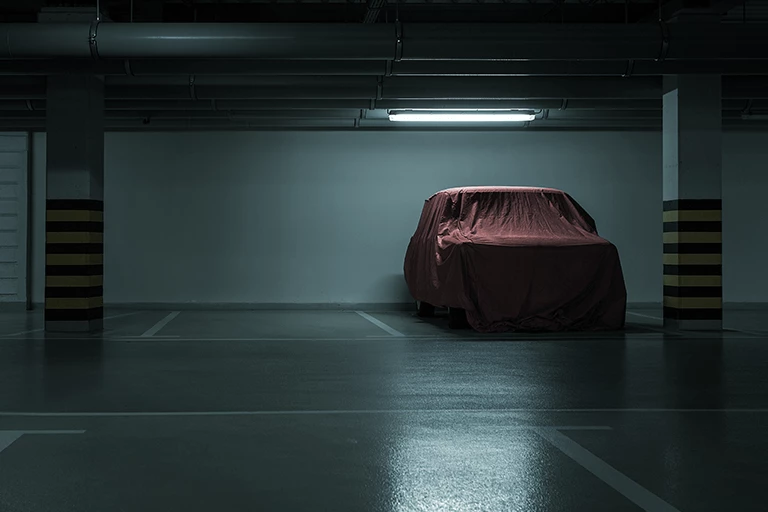
Vehicle storage insurance can provide various types of coverage, depending on your policy.
One of the most critical parts of vehicle storage insurance, third party liability insurance, provides coverage if your vehicle causes property damage or bodily injury to others, even if the car is not being driven. Provinces like Ontario, BC, Quebec, and Alberta have minimum requirements for third party liability coverage. In most provinces, this minimum is around $200,000, but higher limits are often recommended for adequate protection.
This coverage can reimburse expenses such as medical bills, legal fees, and repair costs for damage caused by your parked vehicle.
Accident benefits coverage provides financial assistance for medical expenses, lost income, and other costs following a car accident, regardless of who is at fault. In Canada, accident benefits are mandatory and apply to the policyholder and other individuals involved in the accident. This coverage can help with costs such as funeral fees, physical therapy, and prescription medications, offering a safety net in case of unexpected accidents.
For a stored car, it serves to offer protection in case of accidents involving the policyholder while they are not operating their own vehicle.
In some provinces like Ontario, direct compensation property damage coverage reimburses you for damages to your vehicle caused by another driver, as long as you're not at fault and the other driver is insured. This mandatory coverage simplifies the claims process, allowing you to get compensation directly from your insurance company.
Uninsured automobile coverage protects you if you're involved in an accident with an underinsured or uninsured driver. This coverage is essential for car storage policies because it ensures you’re financially protected if your parked car is hit by someone without adequate insurance. Without this coverage, you may have to cover repair or replacement costs out of your own pocket.
If your vehicle is damaged in an accident, even if it’s parked, collision coverage helps pay for repairs or replacements. If your car is leased or financed, your lender may require collision coverage, even if your vehicle is in storage. This coverage is especially beneficial if your car is involved in a significant accident while parked, as it will cover the cost of repairs or the value of your vehicle if it's totaled.
One of the most essential types of coverage for stored vehicles, comprehensive insurance covers a wide range of damages and losses that can occur while your vehicle is parked, including theft, fire, vandalism, natural disasters, and falling objects. Comprehensive coverage is often included in car storage policies and offers peace of mind by protecting your vehicle from various risks.
When storing a vehicle, many car owners have questions about the necessity and cost of insurance, as well as how to handle specific situations like accidents. Let's go over some common questions about car storage coverage.
While it’s not always legally required to insure a parked vehicle, it’s still a good idea. Comprehensive coverage can protect against perils like theft, fire, and vandalism, and protect your financial investment in the vehicle. Having coverage in place can also help you rest easy knowing that your vehicle is protected while not in use.
If someone hits your parked car, the steps you need to take depend on your insurance coverage. If you have comprehensive-only protection, you may not be covered in a hit-and-run scenario. However, if the other driver has insurance, you can file a claim under their liability property damage coverage to cover the costs of repairs.
Pausing car insurance is generally not recommended, as it can leave your vehicle uninsured and expose you to risks. Instead of cancelling coverage altogether, consider lowering your coverage limits or switching to a more affordable car storage policy to save on premiums while still protecting your vehicle.
The cost of vehicle storage insurance depends on several factors, including the types of coverage you choose, as well as personal factors like your location and driving history. Comprehensive-only coverage is often more affordable than full coverage policies, making it an attractive option for long-term storage.
When it’s time to take your car out of storage and back on the road, you’ll need to notify provincial authorities like the SAAQ in Quebec, Service Ontario, or ICBC in BC. It’s also essential to check for any visible damage, ensure your tire pressure is good to go, and take it for a slow test drive to listen for any unusual noises.
Opting for car storage insurance offers several perks, including protection from a wide range of risks and the peace of mind that comes with knowing your vehicle is safe while not in use. Whether you’re storing your car for the winter or for an extended vacation, vehicle storage insurance is a smart way to protect your car and your finances!
Feel free to contact belairdirect to get the right coverage for your stored vehicle.



