Fall is the perfect time to wrap up in a warm blanket, pour yourself a pumpkin latte and hibernate until the warm weather returns. It’s also the ideal time of year to clean up around your home and yard to protect yourself against forest fires.
Every year in Canada, wildfires destroy an average of 25,000 square kilometres. Experts predict this will increase over the coming decades with climate change, leading to more drought, longer fire seasons and more lightning strikes.
We’ve all seen the images on the news of the wildfires in Alberta and British Columbia. Wildfires like these start small but can grow and spread quickly. Wind can blow sparks and embers well ahead of the actual fire, igniting brush, trees and homes.
While wildfire season is typically April through October, there are many things you can do year round to make sure your home will be protected in the spring.
We spoke to Laura Stewart, president of FireSmart Canada, who shared her 8 tips for easy actions you can take around your home.
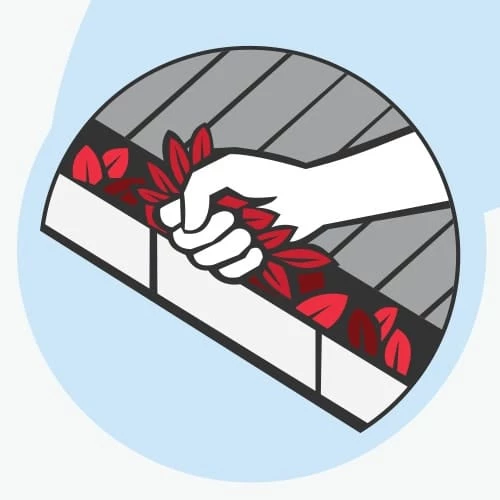
- Remove leaves, tree needles, branches and other debris from your roof and gutters.

-
Remove all combustibles and plant material within a 1.5-metre area around your home by sweeping or raking the area down to mineral soil, rock or concrete. And don’t forget to get under your deck too.

- Ensure all vent openings have self-closing flaps, are ember-rated or are covered with 3-millimetre (1/8-inch) metal screening. Routinely check dryer vents and vent openings for accumulated combustible debris. Remove all debris that has built up.

- Remove all combustible items not in use – such as toys, patio furniture, firewood, cushions, decorative items and potted plants – from your deck and within 1.5 metres of your house. Store them in your home, ember-resistant shed or garage. Don’t store combustibles under your deck.

- Cut grass and weeds within 10 metres of the house and structures to 10 centimetres or less in height. Remove any dead plants, leaves, weeds and pieces of dry wood from your yard.
-
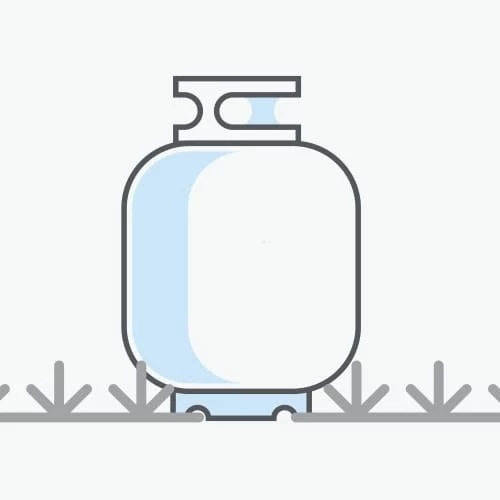
Never store firewood, wood planks, vehicles, propane tanks or other flammable items less than 10 metres from your home.

- Trim any branches that grow on the bottom 2 metres of your trees.

- Talk to your neighbours! Home Ignition Zones will typically overlap, so taking a grassroots and collaborative neighbourhood approach is critically important.
Whether you are a tenant or a homeowner, if you have home insurance with belairdirect and have questions about your coverage, get in touch with us. Download the FireSmart app for more great info, including FireSmart building materials if you’re building or renovating a home. Kick off your fall cleaning by downloading the app on the App Store or Google Play.
We are building communities that are better prepared to face climatic events by protecting Canadians from natural disasters. You can help us to continue our mission by protecting your own home. Be part of the solution!
Experiencing a wildfire can be overwhelming, but there are practical steps you can take to begin the recovery process:
- Ensure safety first: Make sure you and your family are safe. Follow the instructions of local authorities regarding evacuation orders and when it is safe to return home.
- Document the damage: Take photographs or videos of the damage to your property as soon as it is safe to do so. This will be important for the claims process.
- Contact your insurance provider: Reach out to your insurance company as soon as possible to start the claims process. At belairdirect, our claims page offers detailed guidance on how to file a claim and what to expect.
- Create an inventory of belongings: Having an up-to-date inventory of your belongings can expedite the claims process and ensure you receive full compensation for your losses. For tips on creating a home inventory, check out our home insurance inventory belongings guide.
- Seek assistance: Utilize resources like the Canadian Red Cross and local emergency services for immediate relief and support.
- Begin cleanup and repairs: Once you have documented the damage and received approval from your insurance provider, you can begin the cleanup and repair process. Ensure that any contractors you hire are reputable and have experience with wildfire recovery.
Taking these steps can help you navigate the aftermath of a wildfire and start the recovery process more smoothly.