
If you live in Canada, you know that winter is no joke. Conditions can be harsh and unpredictable, which is why choosing the right tires for your vehicle is crucial. With snow, ice, and freezing temperatures as the norm during the colder months (brr!), having the right tires is a must for your car's safety and performance.
While the terms ‘all-season tires’ and 'all-weather’ tires may sound like they’re made to take on any conditions, it’s not necessarily true. Let’s explore the differences so that you can make an informed decision when shopping for new tires for your driving needs.
When it comes to tire tread patterns and tread depth, not all tires are created equal. In fact, winter and all-season tires are designed with distinct purposes in mind. Winter tires feature a deeper tread depth and specialized patterns like larger, more aggressive grooves and sipes.
These designs enhance grip on snow and ice by allowing for better traction and preventing slippage. The tread pattern helps channel snow and ice away from the tire, which is crucial for maintaining control in severe winter conditions.
All-season tires, on the other hand, have a more moderate tread pattern suited for a range of conditions, but not optimized for extreme winter weather. Their tread depths are generally shallower, and their patterns are less aggressive. This provides balanced performance on dry and wet roads but lacks the specialized features needed for deep snow or icy roads.
The rubber composition of a winter tire is formulated to remain flexible in extremely low temperatures. This flexibility allows the tire to maintain traction on icy surfaces and snow so that the rubber doesn't become brittle and harden in the cold. Winter tires use a specific type of rubber compound that enhances their grip during the winter months.
All-season tires, on the other hand, are made with a different kind of rubber compound designed to provide a balance between performance in various weather conditions. However, this compound can become less flexible and more rigid in very cold temperatures, reducing their effectiveness on ice and snow. This means that all-season tires may not perform as well in severe winter conditions compared to their winter counterparts.
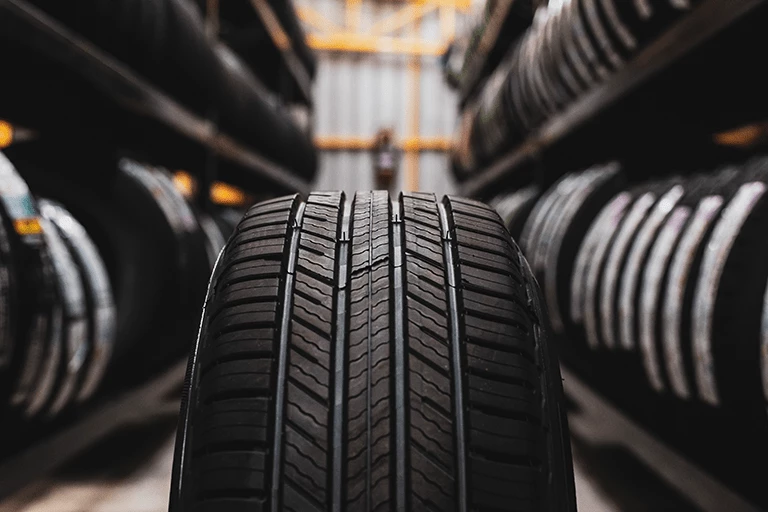
When comparing winter and all-season tires, it’s essential to consider the kind of performance they offer in specific weather conditions:
- Snow: Winter tires excel in snowy conditions thanks to their deep tread and specialized patterns that provide superior traction. All-season tires can handle light snow but often struggle in heavier snowfall.
- Ice: Winter tires are also designed to grip icy surfaces, thanks to their unique rubber compounds and tread patterns. All-season tires typically offer less traction on ice.
- Wet conditions: Both tire types can perform well in wet conditions, but winter tires tend to offer better performance thanks to their ability to channel water away from the tire surface more effectively. All-season tires are designed to handle moderate wet conditions but may not be as effective in heavy rain.
- Moderate climates: All-season tires are ideal for moderate climates, offering a balance of performance throughout the year. Winter tires may be overkill in such conditions (especially spring and summer!) and are not designed to be used all year long.
Since they're designed for specific conditions, winter tires come with great benefits that drivers can count on during the colder months:
- Superior traction: Winter tires provide exceptional grip on snow and ice, improving overall vehicle control.
- Better braking performance: The enhanced tread patterns and rubber compounds allow for shorter stopping distances on slippery surfaces.
- Enhanced Safety: Increased traction and braking capabilities contribute to safer driving in cold, snowy, and icy conditions.
On the flip side, there are factors that may make people think twice about purchasing them, even though the benefits outweigh the drawbacks:
- Seasonal use: Winter tires are not designed for use in warm weather seasons like spring and summer and may wear out faster if used all year long.
- Cost: Investing in a separate set of winter tires can be more expensive initially, but the benefits outweigh the cost for those in harsh winter conditions.
- Limited performance in warm weather: Winter tires may become too soft in warmer temperatures, reducing their performance and lifespan.

During the rest of the year, all-season tires are your best bet. Here's why:
- Versatility: All-season tires are designed to handle a variety of weather conditions, making them suitable for regions with mild winters.
- Longevity: These tires generally offer longer tread life compared to winter tires when used in moderate climates.
- Cost-effective: All-season tires can be used year-round, eliminating the need for seasonal tire changes and associated costs.
However, they also come with their own drawbacks:
- Reduced winter performance: While all-season tires handle light snow and ice reasonably well, they don't offer the same level of traction as winter tires in severe winter conditions.
- Compromised performance: In extreme weather conditions, all-season tires may not perform as well as dedicated winter tires or all-weather tires and may not be legal in some provinces during the winter, which we'll touch on below.
To help clarify the difference between the types of tires available and to take the guesswork out of your tire shopping, we've put together a comparative table to help you understand the key differences between winter, all-season, and all-weather tires:
| Feature | Winter Tires | All-Season Tires | All-Weather Tires |
|---|---|---|---|
| Tread Design and Depth | Deep tread, aggressive patterns | Moderate tread, less aggressive patterns | Moderate tread, more aggressive than all-season |
| Rubber Composition | Flexible in low temperatures | Balanced for various conditions | Flexible in cold, balanced for various conditions |
| Performance in Snow | Superior traction | Handles light snow, struggles in heavy snow | Good traction, better than all-season, not as good as winter |
| Performance on Ice | Excellent grip | Less traction | Better than all-season, not as good as winter |
| Performance in Wet Conditions | Better water channeling | Moderate water handling | Good water channeling |
| Performance in Moderate Climates | Overkill, not suitable for warm weather | Balanced for moderate climates | Balanced for moderate climates |
| Longevity | Shorter lifespan in warm weather | Longer tread life in moderate climates | Balanced lifespan |
| Seasonal Use | Winter-only | Year-round | Year-round |
| Cost | Higher initial investment | More cost-effective | Moderate cost, potentially higher than all-season |
| Legal Requirements | Mandatory in some provinces in winter | Not suitable for severe winters | Suitable for regions with varied conditions |
Choosing the right tire also depends on several factors including your where you live, the kind of driving conditions you'll face, and the kind of vehicle you drive. If you live in an area with severe winter conditions, winter tires are your best bet for safety and performance in the colder months. But if you live in a region with mild winters, all-season tires offer sufficient performance and convenience.
If you're located somewhere that sees a variety of weather conditions throughout the year, you can consider all-weather tires, which provide a balance between winter and all-season performance. The type of car you drive will also be a determining factor, especially when it comes to price. If you drive an SUV or truck, you can certainly expect to pay more than tires for a compact car, for example.
In Canada, specific provinces have regulations regarding winter tires. In Quebec, winter tires are mandatory from December 1 to March 15, with severe penalties for non-compliance. In British Columbia, winter tires are required for those who drive in certain regions or on specific routes from October 1 to March 31, again with fines for failure to comply.
These laws are simply designed to ensure that everyone is safe on the road in winter conditions.

Aside from the mandatory dates in some provinces, the optimal time to switch to winter tires is when temperatures consistently drop below 7°C. On the other side of the spectrum, when temperatures are consistently above it, all-season or summer tires become more suitable.
When it comes to knowing when the timing is right to buy new tires, it's essential to regularly check your tire condition using tire tread depth gauges. This can help ensure that your tires provide optimal traction so that you can always drive safely.
To recap, selecting the right tires is crucial for both safety and performance. Winter tires are essential for those who must tackle severe winter conditions and need superior traction and control, whereas all-season and all-weather tires provide a good balance for varied conditions and are versatile and suitable for milder climates.
For a safer driving experience and potentially lower car insurance premiums, ensure your tires are suited to your driving conditions. Explore our car insurance page to learn more about how tire safety impacts your coverage.