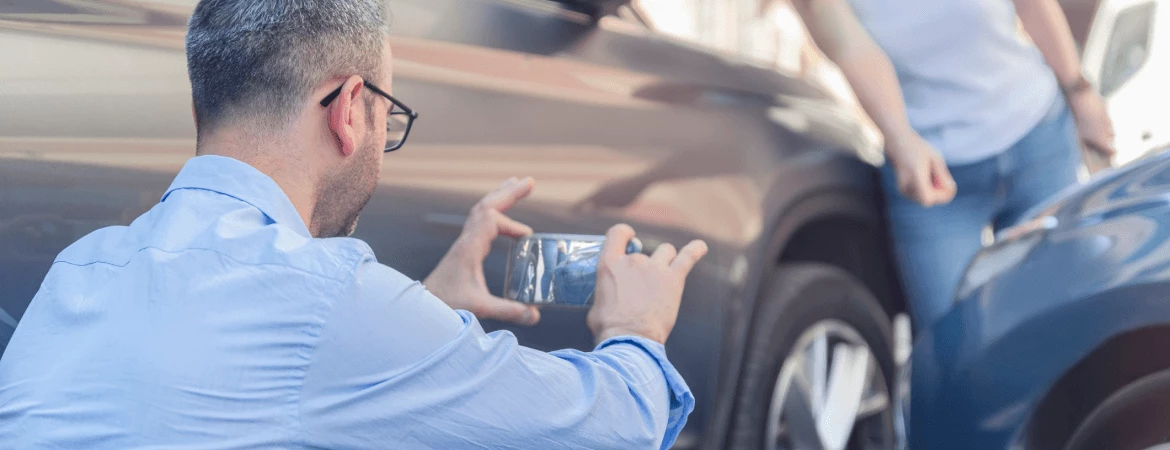
Fender benders happen, even to the best drivers. Even though it’s a minor accident, it helps to know what to do when it happens. In this article, we’ll cover what a fender bender is, the steps to take after one happens, how claiming car insurance works in these situations, and what kind of impact it can have on your car accident insurance or collision coverage.
While more serious car accidents follow a different process, this guide is all about navigating the small stuff with confidence.
A fender bender is a minor car accident, usually involving little to no serious injury and only light vehicle damage. These typically low-speed collisions often happen in parking lots, at stop signs, or during slow-moving traffic. For example, it could mean bumping into another car while parallel parking, a rear-end tap at a red light, or scraping a bumper while backing out of a driveway.
While they may seem small, it’s still important to take the right steps after a fender bender, especially when it comes to car insurance and claiming damages.
Before thinking about a possible claim, think safety! Make sure you’re safe and pull your car over to a secure spot if possible. If it’s safe to do so, get out of your vehicle, activate your hazard lights, and set up traffic cones or flares if you have them.
If anyone is injured, call emergency services immediately. If any injuries are present, do not move the victim(s). Wait for help.
Note the other driver’s information. Quick tip: take pictures of their driver’s license, registration, and insurance policy to make sure you have all the information you need!
- The date and time of the accident
- A description of what happened
- Contact information of witnesses (if any)
Attend a collision reporting centre or contact local police for accident reporting instructions.
Even if it’s just a small accident, inform your car insurance company of the situation. They will be able to advise you on how to proceed.
Once you've reported the accident, it’s worth reviewing how things like your deductible, claim eligibility, and potential premium changes could come into play.
A deductible is the amount you agree to pay out of pocket before your car insurance kicks in to cover a claim. Your insurer can remind you of your deductible total. If it’s $500 and repairs to your vehicle are estimated at $350, the matter is settled – you can’t make a claim, since the total cost is less than your deductible.
Your claims history is not the only factor that affects your premium. Just because you've been in a fender bender doesn’t automatically mean your insurance rate will go up. Several factors are considered when calculating your car insurance premium, including who was at fault, the extent of the damage, if any injuries were involved, and your overall claims history.
In some cases, especially for minor or not-at-fault accidents, your premium may stay the same. And depending on which province you live in, you might be eligible for a program like Accident Forgiveness, which helps protect your rate after your first at-fault accident.
Curious about how rates are affected after more serious collisions? Check out our article: What to do after a car accident?
Not every fender bender leads to a claim, but it’s always a good idea to let your insurer know what happened. If there’s even minor damage or another driver involved, reporting the incident helps protect you in case issues come up later, like delayed injuries or hidden vehicle damage.
As for whether to file a car insurance claim, consider the cost of repairs versus your deductible. If repairs are clearly below your deductible, a claim may not make sense. But if damage is more extensive, or if someone else is at fault, your insurer can guide you on next steps.
Take the time to talk with your insurer. We can help guide you through this stressful situation, answer your questions, and walk you through your options. Whether it’s your first fender bender or just one of those days, we’re here to make things easier. There’s nothing like expert advice to gain peace of mind!
Road accidents are always unexpected. Be prepared by keeping essential items inside your vehicle at all times: pen and paper, an accident worksheet, emergency road flares, a flashlight with extra batteries, bottled water, booster cables, and a small tool kit. This kind of preparation can help you handle any accident situation more effectively.



