
Cars can sound complicated. But thanks to our new vox pop, you don’t have to be a mechanic to understand what’s going on under your hood. With a mission to simplify things, we hit the streets to find out what average Canadians know about car parts, and helped them learn a thing or two.
https://youtu.be/GIlIdMMhtDQ
Though we did get a lot of funny answers, we also found out how little most of us know about our cars. So to help, we’ve created a quick and simple list of common car parts for whenever you need to talk to your mechanic, or replace parts in your vehicle.
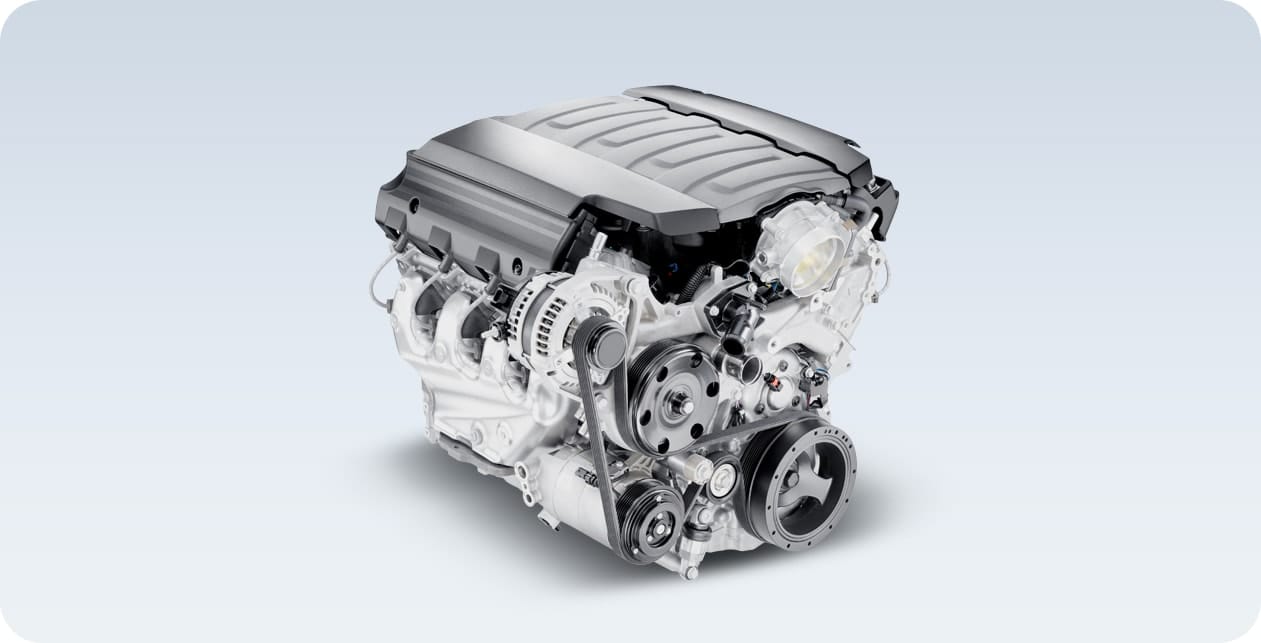
The engine is the main component that propels your car forward. Simply put, it's sort of like an air pump.
Air comes in, then gets compressed and mixed with gasoline. The fuel and air mixture explodes, moving the pistons that make the engine turn. The exhaust is then expelled through the exhaust pipe. Of course, many parts are necessary to run the “air pump.” Here are some of the basics:
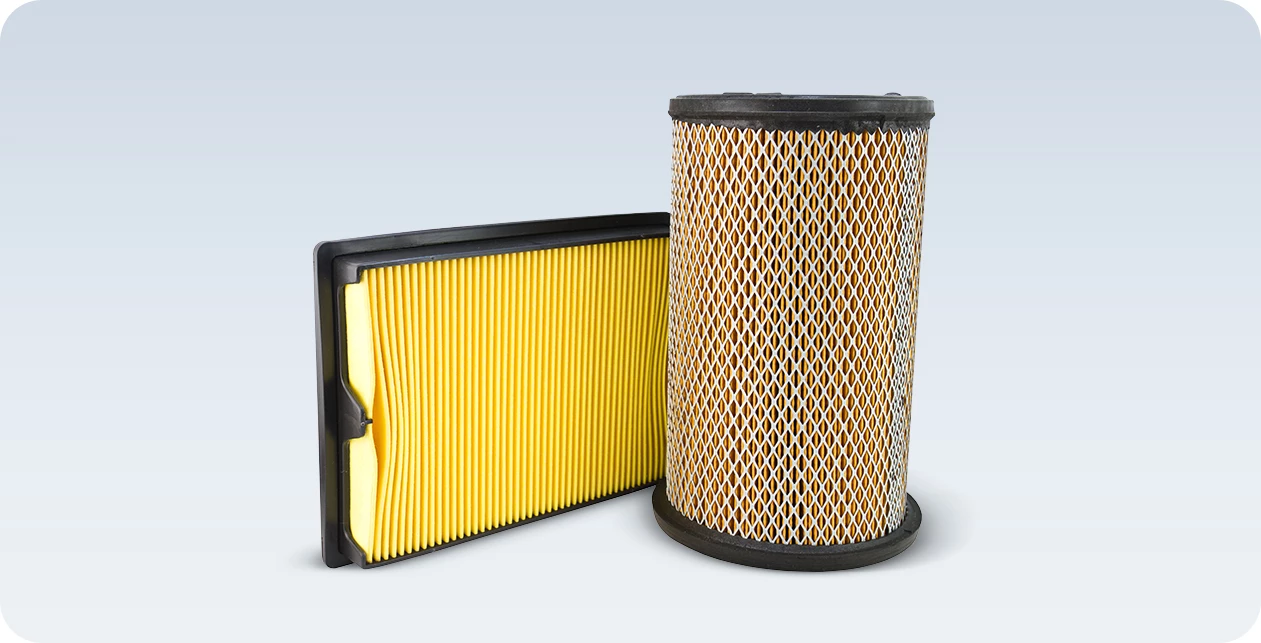
The filter prevents dust from entering the engine. It has to be changed regularly to ensure good air circulation.
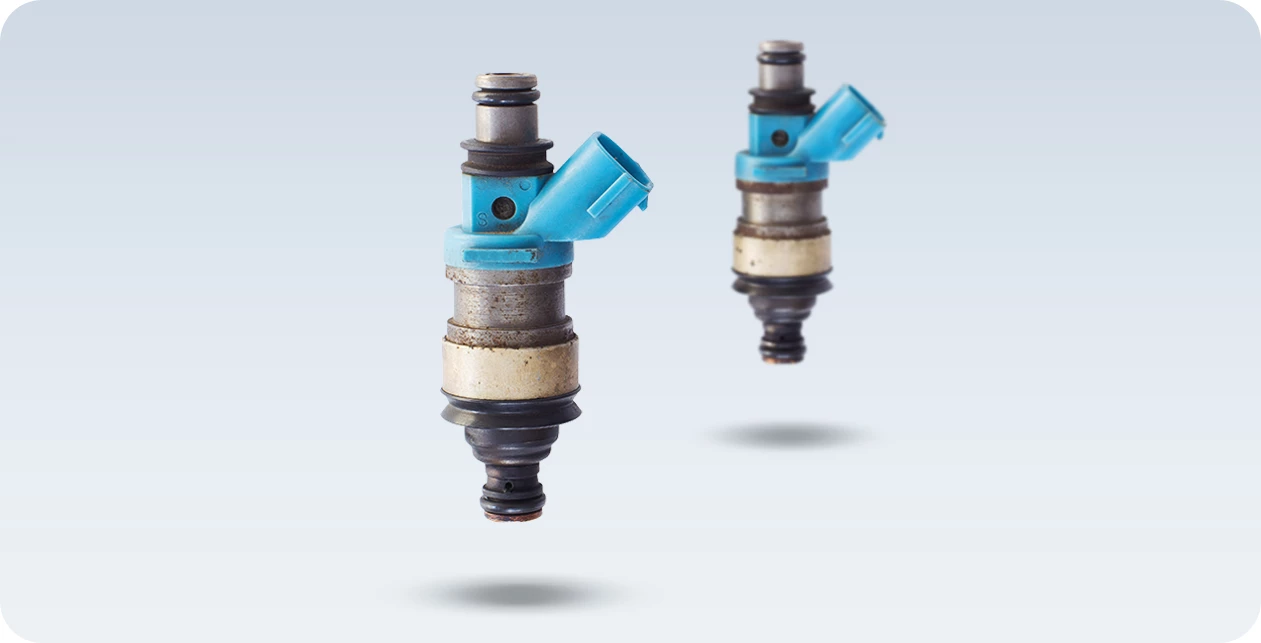
This is what allows fuel to be sent to the cylinders. There, the fuel is atomized by the injectors and gets mixed with air.
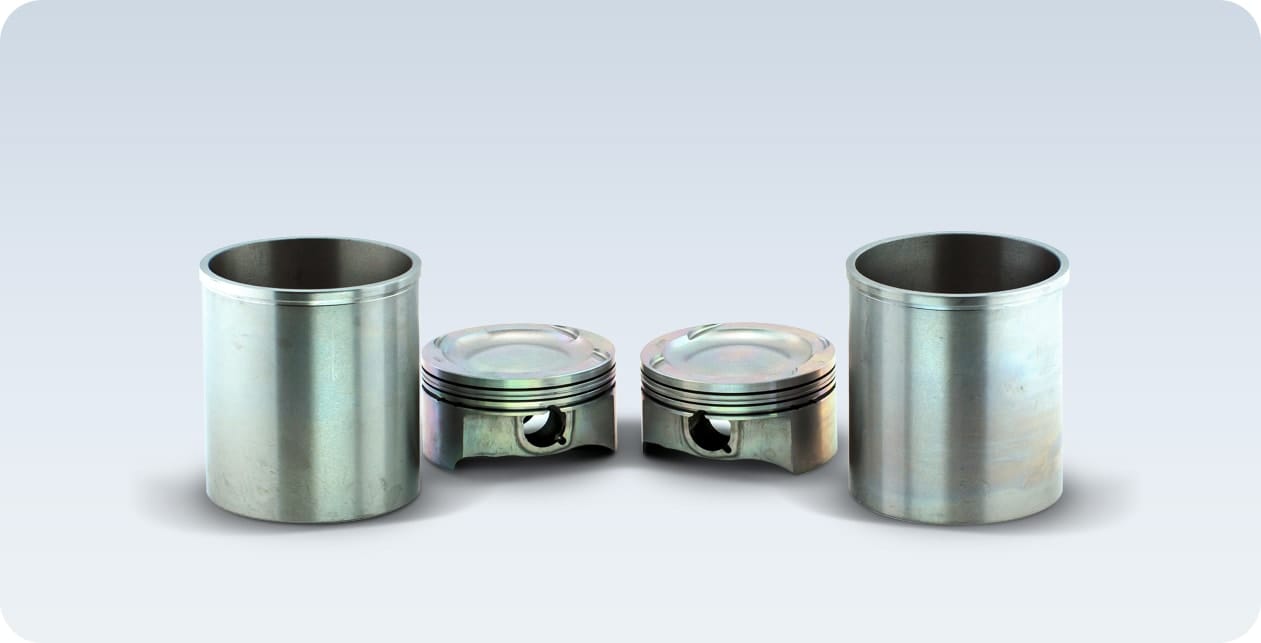
Each cylinder contains a piston attached to a rod that turns the engine’s crankshaft when the air/fuel mixture explodes. But a spark is needed for the mixture to ignite. That’s where the spark plug comes in. Today’s engines typically have four, six or eight cylinders.
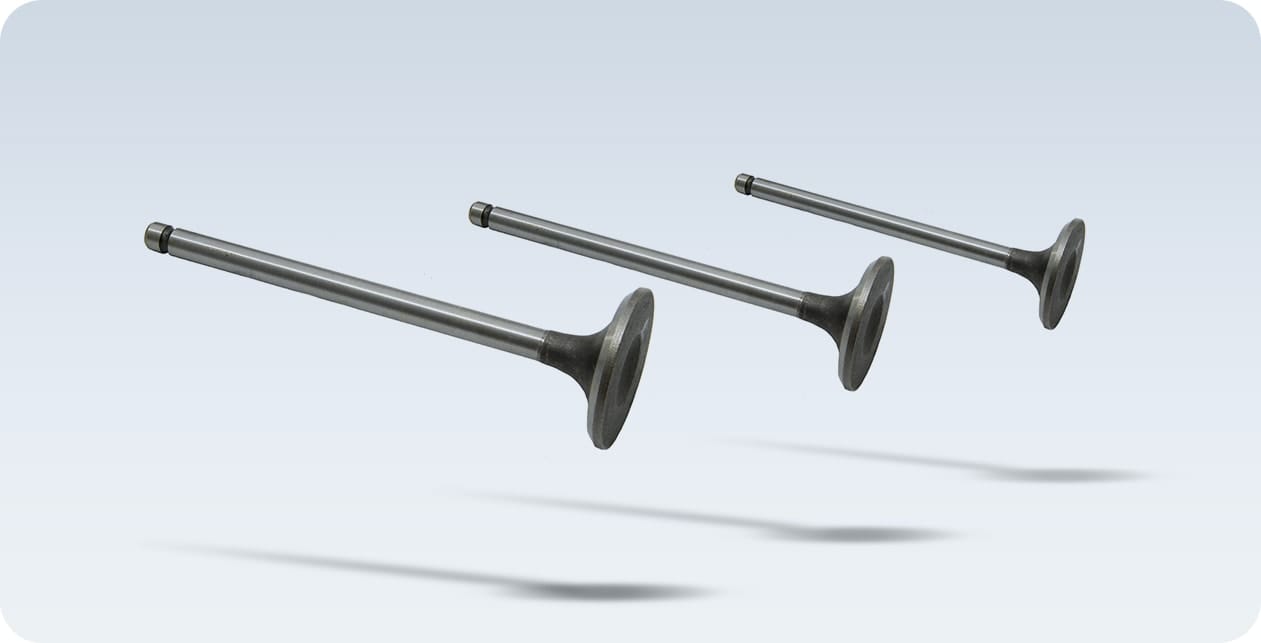
The valves can be thought of as small, trumpet-shaped doors that open and close at just the right moment, some to let the air/gas mixture into the cylinders, and others to release the exhaust gases. If the valve is damaged, it won’t create an airtight seal and will prevent the explosion from moving the piston.
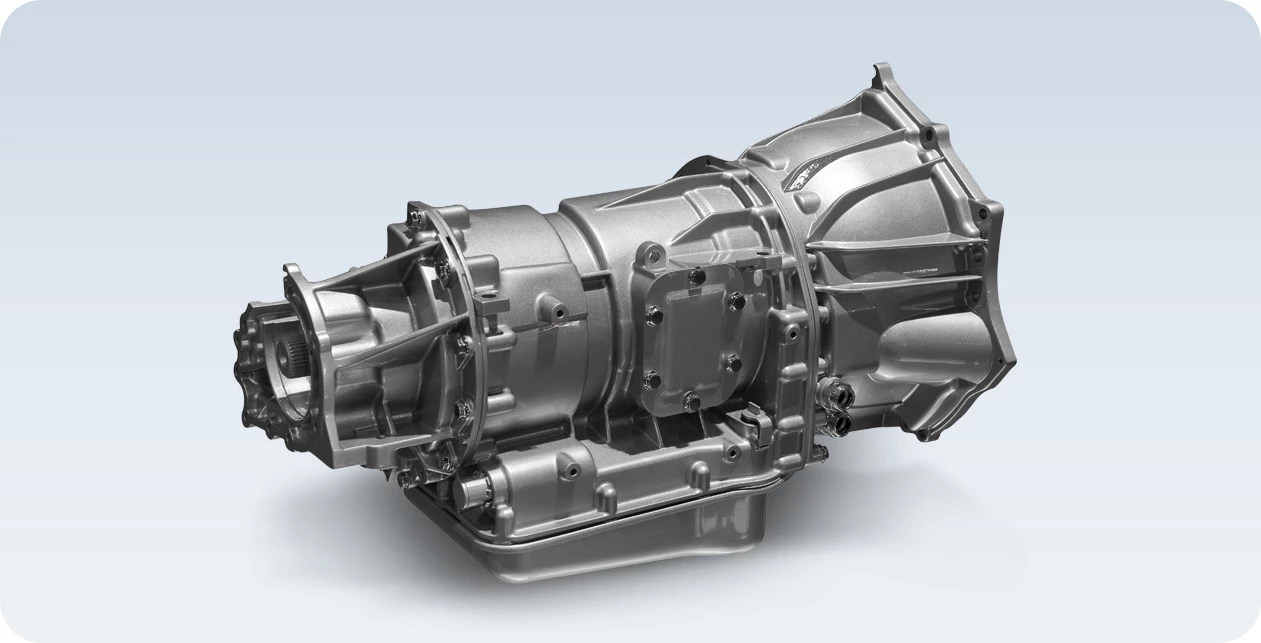
The transmission — which can be automatic or manual — allows you to shift gears (like on a bike), and also helps you back up or stay in neutral. Simply put, it transfers energy from the engine to the wheels.
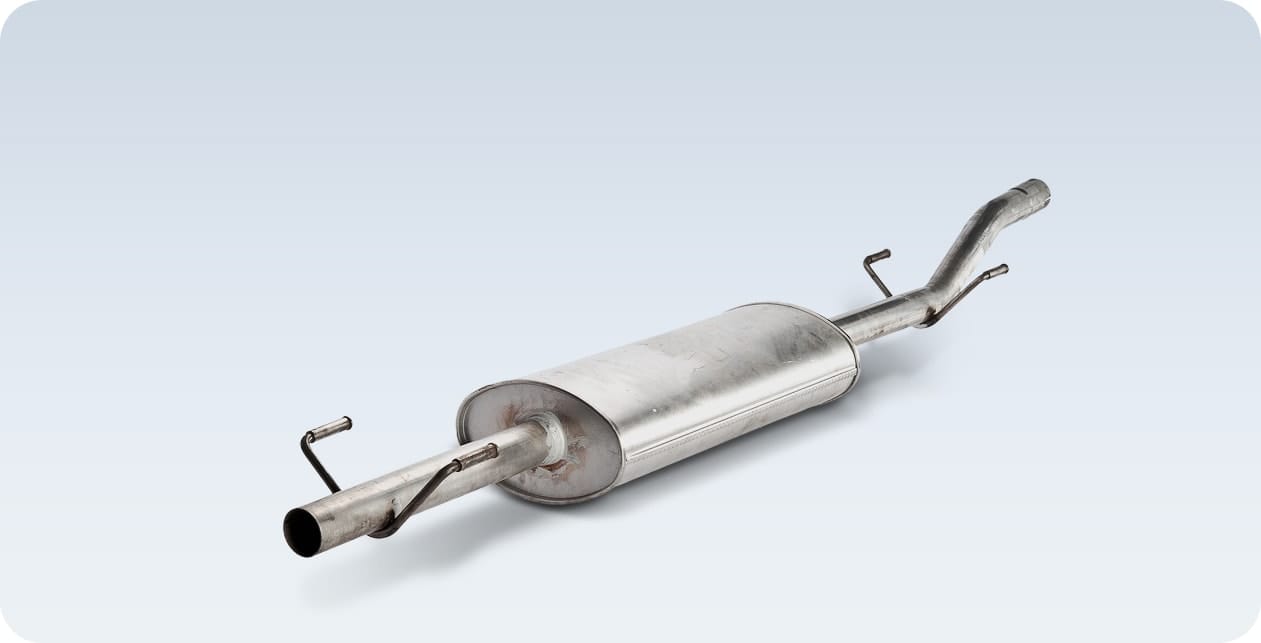
The exhaust system uses a number of pipes to expel gases created when the fuel and air mixture is burned. It has two main components: the catalytic converter and the muffler. The catalytic converter burns and eliminates as much gas as possible to reduce pollution, while the muffler reduces noise. It’s essential there be no leaks that would allow exhaust fumes to enter the passenger compartment.
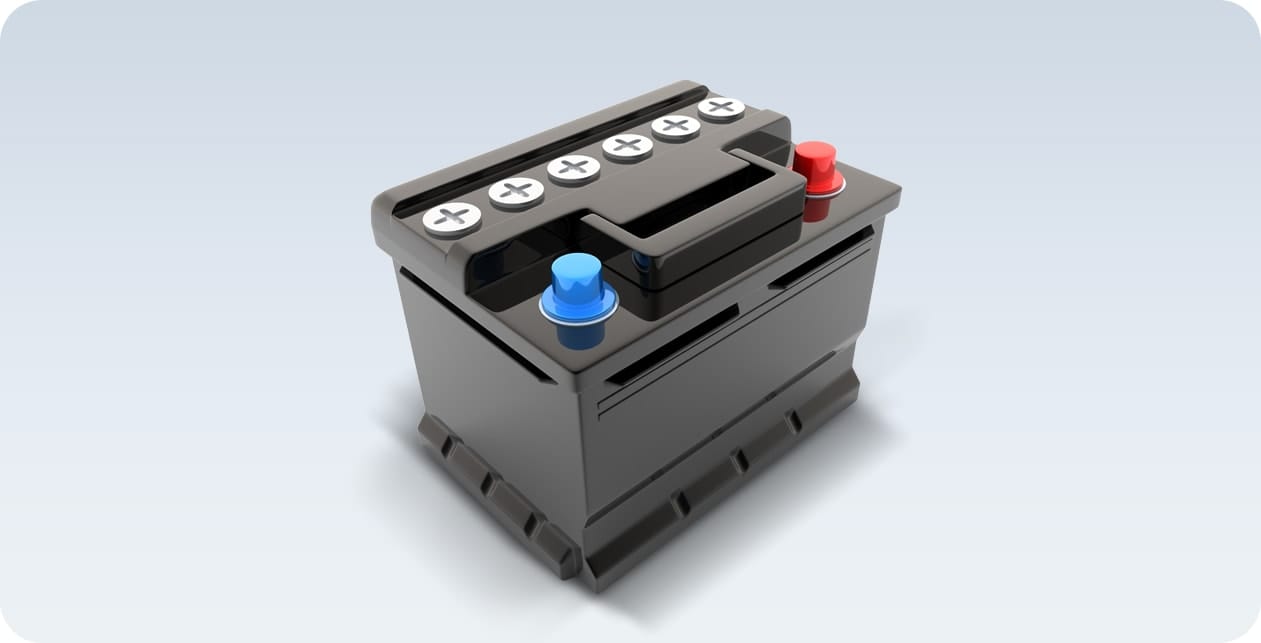
The battery supplies the current to the starter. It’s a small electric motor that turns the engine when the car is started. But it also supplies electricity to the computers and spark plugs to ignite the explosion in the cylinders.
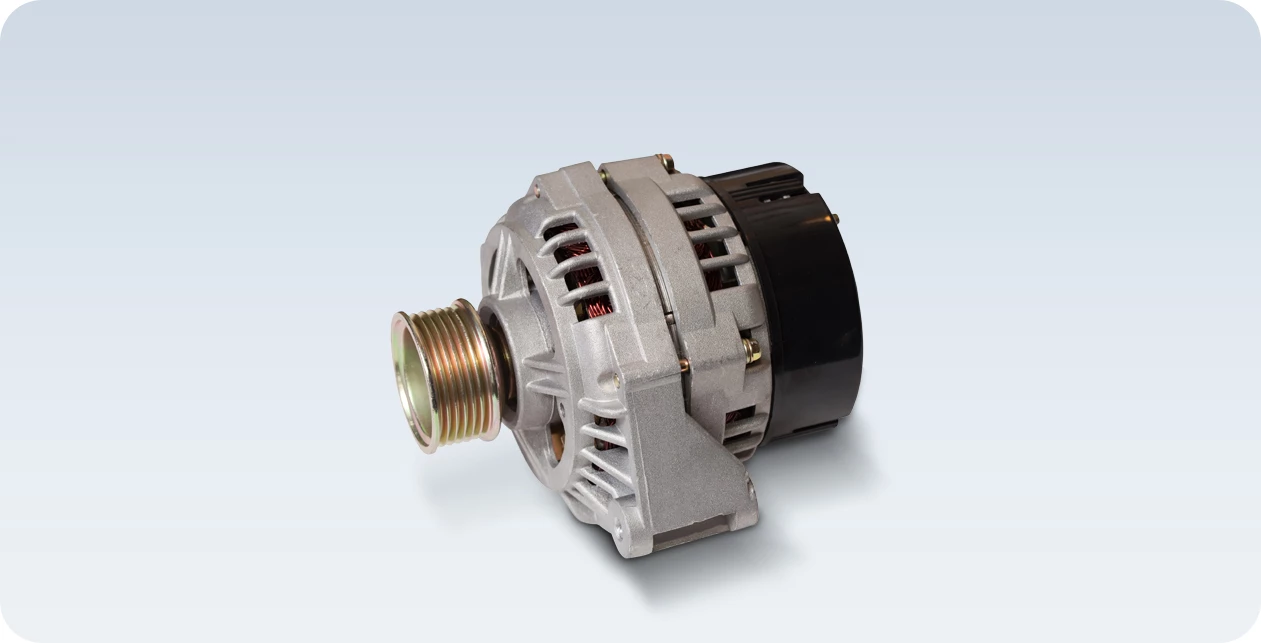
Once the engine is running, the alternator, which is connected to the engine by a pulley, supplies the electricity to keep everything running and charge the battery in preparation for the next time the car is started. So, the alternator is like a little generator.
We hope this overview will help you understand what’s happening under your car’s hood and make it easier for you the next time you have to talk to your mechanic.
Now that you know what's under the hood, see what you need to check before buying a used car and what kind of you need.



