Contents insurance, also known as personal property coverage, is your safety net for your personal belongings, whether they’re at home with you or temporarily away. It's an important part of home, condo, or tenant insurance policies, ensuring that the items you cherish are protected.
Let’s walk through why and when you should consider getting contents insurance.
Contents insurance is crucial for protecting your personal belongings against damage, destruction, or theft. It acts as a safety net, covering the costs of repairing or replacing your items if they are affected by unforeseen events such as fire or theft.
- Fire and smoke damage: Who can predict when a fire might strike? Whether it's a small kitchen fire or a major blaze, contents insurance can help you replace belongings like furniture and clothing that are damaged by smoke or flames.
- Theft and vandalism: Unfortunately, these incidents can occur, and insurance offers peace of mind. If someone breaks into your home and steals your electronics, your policy can reimburse you for those stolen items within the policy limits. Be mindful that theft coverage for certain items like jewelry often has specific limits, so additional coverage may be necessary for full protection.
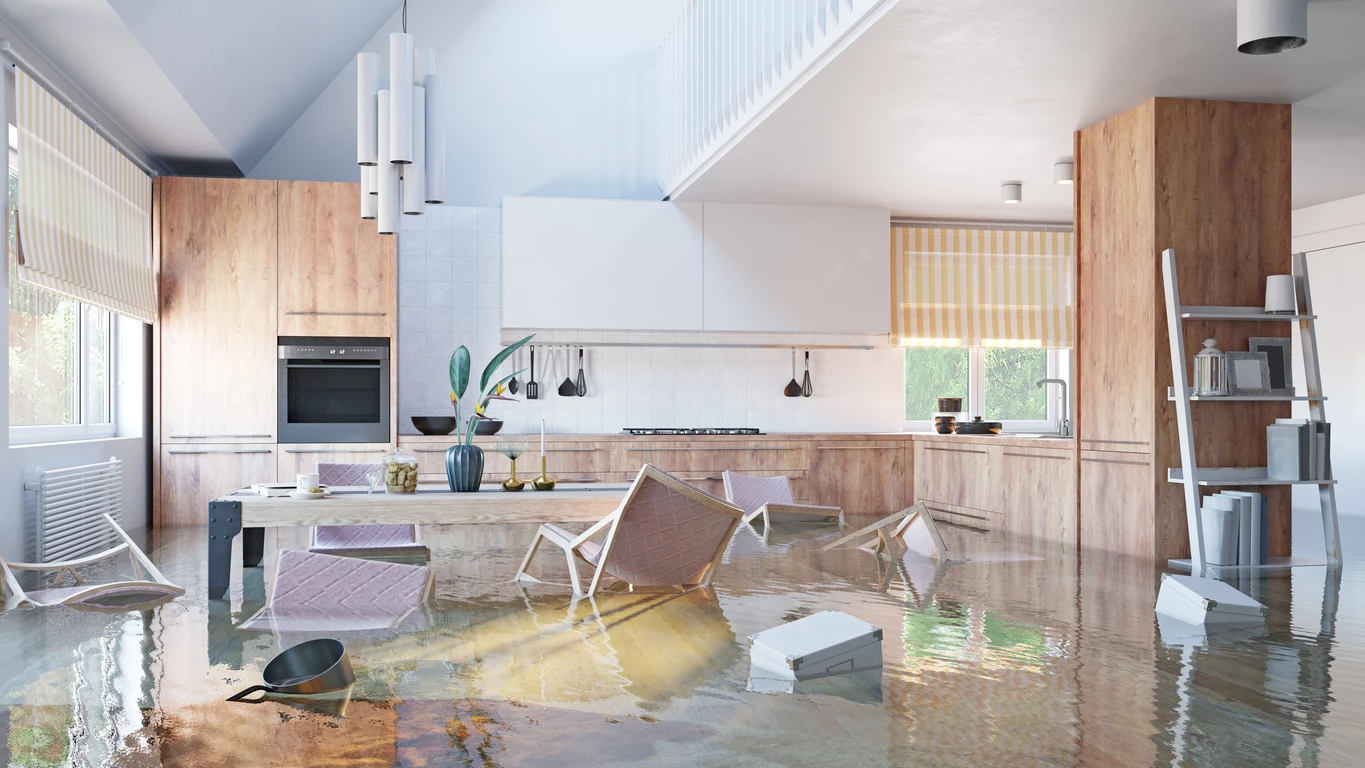
- Water damage: Pipes burst unexpectedly, and when they do, your insurance steps in. Imagine coming home to find your living room furniture soaked due to a burst pipe. With contents insurance, you can replace without shouldering the entire cost yourself.
- Weather damage: Wind, hail, and even falling objects can cause unforeseen damage. For example, if a severe hailstorm shatters your window and damages interior furnishings, contents insurance would cover the cost of replacing those items.
- Furniture and decor: From your comfy couch to that stylish lamp - whether it's a treasured antique chair or a modern sectional, these items are generally covered.
- Electronics: Think about your TV, laptop, and gaming consoles. With contents insurance, you can replace or repair expensive electronics that are damaged by a covered event.
- Clothing and jewelry: Keep in mind that while clothing is generally covered without special limits, jewelry often has specific limits for theft and mysterious disappearance. If your wardrobe is lost to a fire or a piece of jewelry is stolen, your policy will have specific coverage limits, especially for higher-value items.
- Appliances: As long as you own them and they aren’t permanently attached, portable appliances like mixers and microwaves are covered, ensuring you can get back to your routine quickly.
- Sports gear and bicycles: Your hobbies should be worry-free, whether it's a mountain bike or tennis equipment, these items are usually included, letting you get back to enjoying your leisure activities. However, be aware that there is often a special limit imposed for the theft of bicycles, so you may need additional coverage to ensure full protection.
- Art and collectibles: Some limits apply, but your treasures can be covered. If you have valuable art pieces or collectibles, make sure they're properly insured—sometimes this means adding a separate rider to ensure full coverage.
- Vehicles: Your car or motorcycle will need a separate policy - while contents insurance covers what's inside your home, vehicles fall under the realm of auto insurance.
- High-value items exceeding limits: Sometimes extra coverage is needed for luxury items. For instance, if you own a valuable watch collection, standard coverage might not fully protect it - consider an endorsement for complete coverage.
- Wear and tear: Normal depreciation isn’t part of the deal - insurance covers sudden, unforeseen damage, not gradual wear over time, like worn-out carpets or faded paint.
- Roommate’s belongings: unless they’re your family, their stuff isn’t included. Your policy covers your possessions and those of your immediate family living with you, but not your roommate's belongings unless they've been added to the policy.
Typically, contents insurance is offered with , which ensures that items are replaced with similar new ones without factoring in depreciation. This is the standard and most recommended form of coverage due to its comprehensive protection.
While actual cash value (ACV) coverage exists, where items are reimbursed based on their depreciated value, it is rarely offered for principal residences and generally not advisable unless no other options are available. This option might occasionally be considered for clients with difficulty obtaining regular insurance, but replacement cost coverage remains the preferred choice for most consumers.
Here's how you can obtain and manage contents insurance effectively with belairdirect:
- For homeowners: Contents coverage is typically bundled with your from belairdirect. This means you'll get protection for both your home and your personal belongings all in one go.
- For condo owners and renters: A tenant or policy from belairdirect is needed for contents coverage. Condo policies also include additional coverage unique to condominium risks. These policies include coverage for your personal belongings as well as liability and living expenses if your home becomes uninhabitable.
To ensure you have the right coverage, take a quick inventory of your belongings and figure out their value. Check for any limits in your policy and consider adding coverage for pricey items.
For belairdirect customers, contents insurance is always included in comprehensive home insurance policies for homeowners. Renters, on the other hand, require a separate tenant policy to cover their personal belongings. This ensures that your personal items are protected under the right type of policy tailored for your living situation.
Yes, certain situations might leave your belongings uncovered. For example, high-value items might exceed policy limits without extra coverage, home business equipment usually isn't covered, vacant homes can have limited coverage, and wear and tear aren't included. At belairdirect, you can discuss options and add-ons with an insurance expert to cover these gaps.